
Editorial research / Placeholder
Research on how plants keep their frontline know-how
Flagship report / Troubleshooting
How plants capture troubleshooting expertise before it retires.

01What capture looks like
The expert's method, drawn onto the machine
When we explain how expertise works, we draw it: an elevation of the equipment, with what the expert knows attached as numbered callouts. It is the language of the maintenance manual, with what is not in the manual added.
- Callout 1: Bearing housing: a change in pitch is heard before it is measured.
- Callout 2: Coupling: check alignment by hand at every rebuild.
- Callout 3: Impeller: wear shows as a drop in discharge pressure.
- Callout 4: Packing gland: adjust a little at a time, by feel.
What we do
Help operations leaders keep the expertise that keeps their plants safe, on spec and running.

The Craft Gap studies how plants capture the know-how of their most experienced operators, technicians and engineers, and pass it on, task by task.
Our promiseEvery piece ends with something a plant team can try next week.
Placeholder copy pending editorial review.
Field notes
From the shop floor
-

Handover / Placeholder
What a good shift handover sounds like
A walk-down at the machine passes on more than a logbook line. Notes on what to listen for.
-
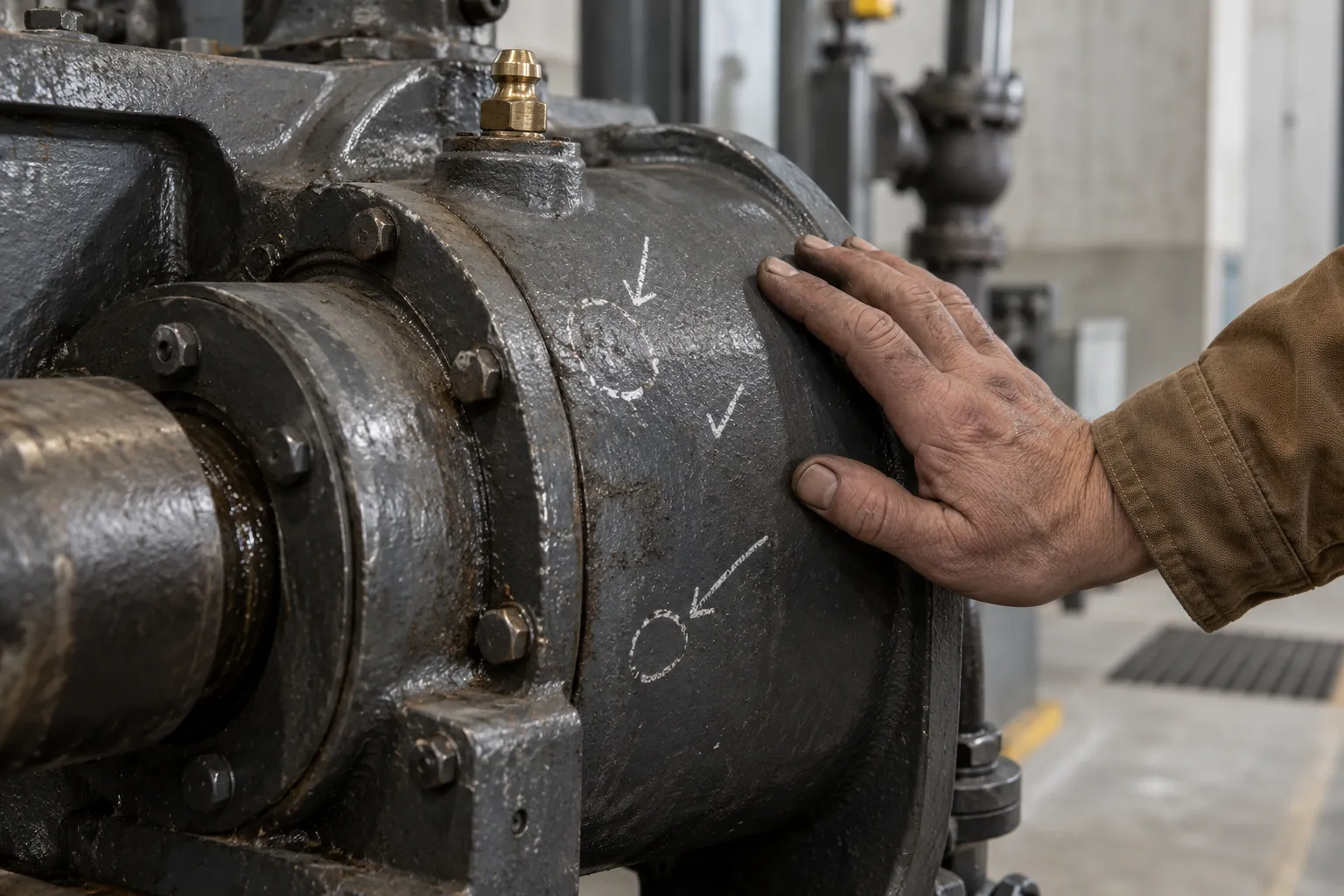
Skills coverage / Placeholder
Map the tasks that would hurt most to lose
A skills matrix is most useful when it starts from the critical task, not the job title.
-
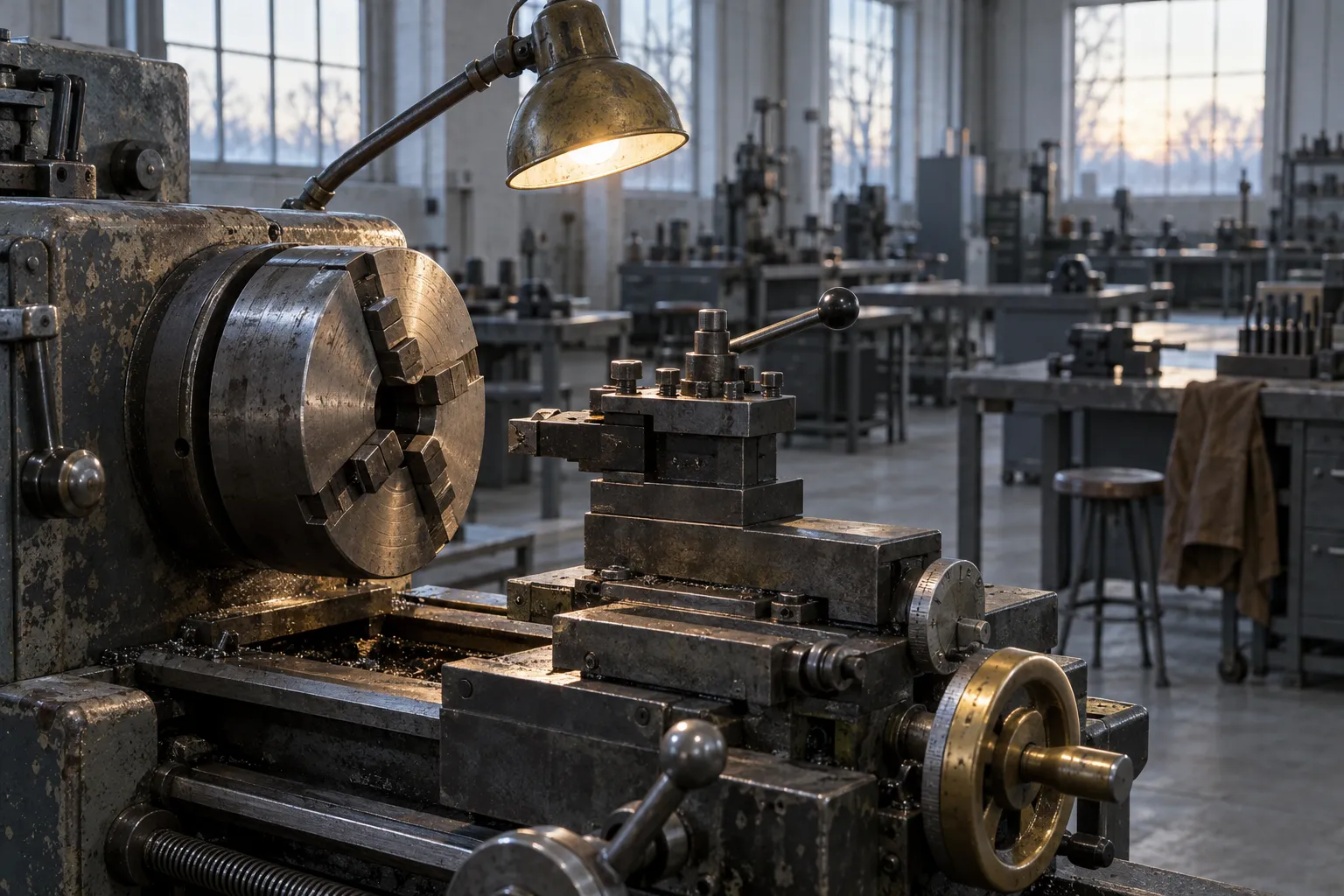
Time to competence / Placeholder
Learning curves are longest where retirements come first
Not every role takes years to learn. The ones that do deserve a plan of their own.


Exhibit
Exhibits from an illustrative plant
Every exhibit makes one point, states it in the title, and carries its source, so it can be lifted into a leadership deck as it stands.
From the field note
Map the tasks that would hurt most to lose
A skills matrix is most useful when it starts from the critical task, not the job title.
Before an exhibit ships: would a plant manager get the point in five seconds? Is every number sourced? Does it survive grayscale and a projector?
From "Map the tasks that would hurt most to lose" / Exhibit 1
Illustrative dataIn this illustrative bottling plant, three critical tasks have a shift with no one qualified to do them
Number of people qualified to perform each critical task, by shift (skills matrix), illustrative bottling plant
| Shift A | Shift B | Shift C | Shift D | |
|---|---|---|---|---|
| Boiler start-up after trip | 3 | 2 | 1 | 1 |
| Labeler changeover | 2 | 2 | 2 | 1 |
| CIP sequence recovery | 1 | 0 · gap | 1 | 0 · gap |
| Ammonia refrigeration fault-finding | 2 | 1 | 0 · gap | 1 |
| Palletizer jam clearing | 3 | 3 | 3 | 2 |
| Filler valve rebuild | 1 | 1 | 0 · gap | 0 · gap |
- Note
- Illustrative data for layout purposes only; not a research finding. Dashed cells mark a shift with no one qualified.
- Source
- The Craft Gap, illustrative data set (placeholder). Real exhibits name the survey, sample size and date.
- From
- Map the tasks that would hurt most to lose
-
Exhibit / Illustrative data
-
Exhibit / Illustrative data
From "The fix only one person knows" / Exhibit 1
Illustrative dataIn this illustrative bottling plant, more than half of the skilled maintenance team has 21 or more years of service
Skilled maintenance headcount by years of service, illustrative bottling plant
- Note
- Illustrative data for layout purposes only; not a research finding. Brass marks 21 or more years of service.
- Source
- The Craft Gap, illustrative data set (placeholder). Real exhibits name the survey, sample size and date.
- From
- The fix only one person knows
From "What a good shift handover sounds like" / Exhibit 1
Illustrative dataIn this illustrative bottling plant, a walk-down at the machine passes on more open issues than a logbook
Share of open issues fully passed on at shift handover, by handover format, percent, illustrative bottling plant
- Note
- Illustrative data for layout purposes only; not a research finding.
- Source
- The Craft Gap, illustrative data set (placeholder). Real exhibits name the survey, sample size and date.
- From
- What a good shift handover sounds like
From "Learning curves are longest where retirements come first" / Exhibit 1
Illustrative dataIn this illustrative bottling plant, technical roles take the longest to reach unsupervised competence
Months from hire to working unsupervised on the full task set, by role, illustrative bottling plant
- Note
- Illustrative data for layout purposes only; not a research finding.
- Source
- The Craft Gap, illustrative data set (placeholder). Real exhibits name the survey, sample size and date.
- From
- Learning curves are longest where retirements come first
Research
Reports
-
How plants capture troubleshooting expertise before it retires.
Report 01 / PDF / Placeholder
-
A working method for finding the critical tasks that depend on one person per shift, and closing the gap.
Report 02 / In preparation
-
Time to competence by role, and why it matters most in the roles that are retiring first.
Report 03 / In preparation



Keep it
Get the next field note
One task, one method, one thing to try next week. Nothing to sell.